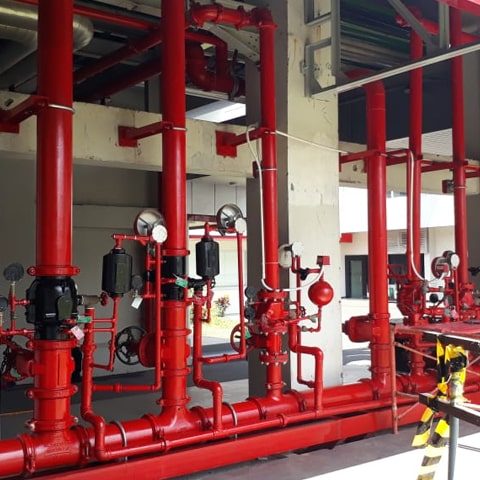
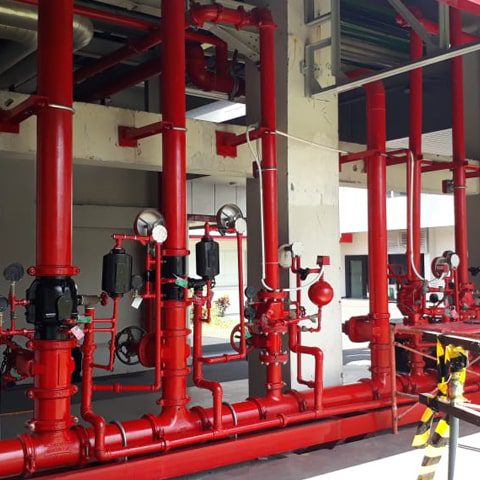
Replacement Repair Hydrant


RUANG LINGKUP PEKERJAAN:
PERIODE:
LOKASI:
NAMA KLIEN:
Deskripsi Proyek
A fire hydrant system is an essential component of fire protection infrastructure that provides a ready source of water for firefighting purposes. It consists of a network of pipes, valves, and hydrants strategically installed throughout a building or an area to supply water to firefighting personnel and equipment in the event of a fire emergency. Here’s a description of the main components of a fire hydrant system:
1. Water Supply: The water supply for a fire hydrant system is typically sourced from a municipal water main or a dedicated water storage tank. Adequate water pressure and flow rate are crucial for effective firefighting, so the system is designed to ensure an ample supply of water.
2. Fire Hydrants: Fire hydrants are visible above-ground fixtures connected to the underground water distribution network. They serve as the access points for firefighters to connect hoses and draw water. Hydrants are usually located strategically throughout a building, along streets, or in open areas to ensure easy access for firefighting operations.
3. Underground Piping: A network of underground pipes connects the fire hydrants to the water supply source. These pipes are typically made of durable materials such as ductile iron or steel to withstand high pressures. The piping system is designed to deliver sufficient water flow to the hydrants and maintain an adequate water pressure for firefighting activities.
4. Valves: Valves play a crucial role in controlling the flow of water within the fire hydrant system. There are two main types of valves used:
– Main Control Valve: Located near the water source, the main control valve allows firefighters or authorized personnel to isolate or shut off the water supply to specific sections of the fire hydrant system. This valve enables maintenance, repairs, or the activation of specific areas during emergencies.
– Hydrant Valve: Each fire hydrant is equipped with a valve that can be opened or closed to control the flow of water from the hydrant. Firefighters connect hoses to the hydrant valve to access the water supply for firefighting operations.
5. Fire Hose Connections: Fire hydrants are designed to accommodate fire hoses through specific outlets. These connections are standardized to ensure compatibility with firefighting equipment. Firefighters attach their hoses to these outlets to access the water supply and direct it to the firefighting area.
6. Signage and Markings: Fire hydrants are typically marked with clear and visible signage, including reflective markers, color-coded tops, and directional arrows, to assist firefighters in locating them quickly during emergencies. This signage helps identify the available water pressure and flow rate from each hydrant.
Fire hydrant systems are designed and installed according to local fire codes and regulations. Regular maintenance and inspections are necessary to ensure the system’s proper functioning, including periodic checks of water pressure, valve operation, and overall integrity. Fire hydrant systems are crucial for rapid response and effective firefighting, providing a vital water supply to suppress fires and protect life and property.
For those of you who want a good fire protection system, trust PT. Hero Cipta Mandiri. We have handled the installation of fire systems in many companies.
For more company profile info, see and download here